
Be yourself; Everyone else is already taken.
— Oscar Wilde.
This is the first post on my new blog. I’m just getting this new blog going, so stay tuned for more. Subscribe below to get notified when I post new updates.
Be yourself; Everyone else is already taken.
— Oscar Wilde.
This is the first post on my new blog. I’m just getting this new blog going, so stay tuned for more. Subscribe below to get notified when I post new updates.
The immigration process can be a long and confusing one. We understand the confusion that comes with applying for immigration status. We want to do the best we can to help you become a permanent lawful resident in the United States. While navigating this process it is important to understand and familiarize yourself with certain documents that you may encounter.
I-130 Petition for Alien Relative: A form that establishes a qualifying relationship between the petitioner that includes U.S. citizens, lawful permanent residents, or U.S. national, and an eligible alien relative, the beneficiary, who wished to come to the United States permanently and apply for a green card
I-130a Supplemental Information for Spouse Beneficiary: A form that accompanies form I-130 to gather additional background information such as the beneficiary’s biographical information, about a spouse who is seeking a marriage based green card.
I-485 Application to Register Permanent Residence or Adjust Status: A form that is filed by someone physically present in the United States to change their nonimmigrant status to a lawful permanent resident. This is for individuals who are already in the United States and have an approved immigrant petition and immigrant visa number.
I-589 Application for Asylum and for Withholding of Removal: A form filed within a year of arriving in the United States allowing an immigrant to apply for asylum and withholding of deportation to protect the immigrant from being deported to a country where they would face persecution or torture based on race, religion, political opinion, etc.
I-751 Petition to Remove Condition of Residence: A form used to petition to remove the conditions of a conditional permanent resident who obtained status through marriage. It proves that the marriage is legitimate and converts the 2 year conditional green card into a 10 year permanent green card.
I-765 Application for Employment Authorization: A form that allows certain foreign nationals such as asylees and refugees, students, temporary protected status holders, etc., to request permission to work legally in the United States.
I-131Application for Travel Documents, Parole Documents, and Arrival/Departure Records: A form used to apply to travel related documents to allow an immigrant to travel internationally and re-enter the United States without losing their immigrant status.
I-864 Affidavit of Support Under Section 213A of the INA: A contract an individual signs agreeing to use their financial resources, the sponsor, to support the intending immigrant named on the affidavit until the intending immigrant becomes a lawful permanent resident.
G-28 Notice of Entry of Appearance as Attorney or Accredited Representative: A form that allows an attorney or accredited representative to act on behalf of an applicant, petitioner, or respondent during the immigration process.
G-1145 E-Notification of Application/Petition Acceptance: A form used to request electronic notification from USCIS regarding immigration applications or petitions that are accepted or pending.

Partner with an Experienced Immigration Attorney at the Law Office of Elizabeth Anu Lawrence
If you require assistance in filing for permanent lawful residence with an accredited attorney, choose the Law Office of Elizabeth Anu Lawrence to provide you with the legal help that you need and deserve. Please give us a call at 443.352.3201. In person and online consultations are both available to clients.
Navigating the complexities of immigration law can be daunting. Immigration lawyers play a crucial role in guiding individuals through this intricate process. They specialize in various aspects of legal immigration, offering invaluable assistance to those seeking to live or work in the U.S.
An immigration lawyer provides expert advice on visa applications, green cards, and citizenship. They help clients understand the legal requirements and avoid common pitfalls. Their expertise ensures that all paperwork is correctly filed, expediting the immigration process.
Finding an immigration lawyer near you can offer personalized legal support. These professionals stay updated on changes in immigration laws and policies. They work closely with clients to achieve successful outcomes in their immigration journeys.
An immigration lawyer specializes in navigating the complex world of immigration law. They assist individuals with various immigration-related issues. These issues include visa applications, green cards, and deportation defense.
Immigration lawyers are knowledgeable about the ever-changing landscape of immigration policies and regulations. They ensure their clients are informed about the requirements and processes to maintain legal status. This expertise is invaluable in avoiding common mistakes in applications.
Their work often involves representing clients in immigration court or during hearings. They also provide guidance on family-based and employment-based immigration cases. Immigration lawyers collaborate with other legal professionals and government agencies to resolve complex cases.
An immigration lawyer’s role is crucial for clients seeking to navigate U.S. immigration systems successfully.

Immigration law encompasses a diverse set of legal matters related to entering and staying in a country. It includes a wide array of cases ranging from visa applications to citizenship. These cases require precise knowledge and navigation of complex legal frameworks.
A crucial area of immigration law involves family-based immigration, which helps reunite families across borders. Employment-based immigration is another significant field, enabling companies to hire international talent. Immigration laws also govern asylum cases and the protection of refugees escaping persecution.
The role of an immigration lawyer is to provide expertise across these diverse legal fields. They ensure that clients understand the legal requirements and options available to them. Here’s a list of key focus areas for immigration lawyers:
Understanding these areas allows individuals to make informed decisions about their legal immigration pathways.
Immigration lawyers offer numerous services tailored to meet individual needs. They play a vital role in guiding clients through complicated immigration processes. One of their core tasks is assisting with visa applications, which can differ based on purpose and duration.
These attorneys also help clients with green card applications. This permanent residency status allows individuals to live and work in the U.S. permanently. They ensure all paperwork is completed accurately and submitted on time to avoid delays.
Immigration lawyers provide support during deportation proceedings. They advocate for clients, aiming to achieve the best possible outcomes. Additionally, these legal professionals assist with appeals and waivers, offering a chance to rectify previous denials or issues.
For businesses, immigration lawyers offer guidance on obtaining work visas and ensuring compliance with immigration laws. This support is essential for companies hiring international talent while avoiding legal pitfalls. Typical services offered by immigration lawyers include:
Immigration attorneys are equipped to handle a broad spectrum of cases and provide personalized assistance. Their expertise can greatly ease the stress of navigating the U.S. immigration system.

Deciding when to hire an immigration lawyer can be daunting. Certain situations require professional legal help to navigate immigration challenges efficiently. Complex cases, in particular, may benefit from an attorney’s expertise.
Individuals facing deportation should consider hiring a lawyer immediately. Legal representation is crucial for defending against removal proceedings and exploring potential reliefs. Additionally, those experiencing long delays in processing or unexpected denials might need legal assistance.
Applying for complex visas, such as investor or business visas, often requires specialized knowledge. Here, an immigration lawyer can guide applicants through unique requirements. The same applies to those with criminal records, as legal counsel can advise on potential immigration consequences.
Consider hiring an immigration lawyer in these situations:
Immigration lawyers provide invaluable support, ensuring your case is handled correctly and efficiently.
Immigration lawyers play an essential role in facilitating legal immigration. They provide expert advice to help applicants navigate complex immigration laws and procedures. This guidance is crucial for avoiding common pitfalls and delays.
One of the key ways they assist is by preparing and submitting applications. Lawyers ensure all forms are complete and accurate, reducing the chances of rejection. They also help gather supporting documents, critical for strong applications.
Immigration lawyers also offer personalized advice based on individual circumstances. They provide insights on the best visa options and pathways available. This tailored approach helps clients achieve their immigration goals efficiently.
In addition to application assistance, lawyers represent clients in immigration court and hearings. This support is vital for those facing removal or needing appeals. Here’s how lawyers aid the legal immigration process:
Through these services, immigration lawyers streamline the process for a successful legal immigration journey.

by Metin Ozer (https://unsplash.com/@metinozer)
The terms “immigration lawyer” and “immigration attorney” often cause confusion. However, they mean the same thing. Both represent legal professionals specializing in immigration law.
These terms are used interchangeably throughout the legal community. Both immigration attorneys and lawyers provide essential services such as:
Understanding this terminology helps in recognizing that both roles offer identical services and expertise. This ensures you’re informed when seeking legal immigration assistance.
Finding a reliable immigration lawyer near you can simplify the immigration process. Start by searching online directories that list local attorneys. They often provide reviews and client feedback, which can be insightful.
Another valuable resource is personal recommendations from family or friends. They might have had positive experiences with particular lawyers. Hearing firsthand about the quality of service is a great advantage.
It’s also beneficial to check the local bar association. They can provide a list of licensed immigration attorneys in your area. Ensure the lawyer you’re considering is in good standing and has no disciplinary actions.
When evaluating potential lawyers, consider the following:
Meeting with a lawyer in person can help gauge if they fit your needs.

by Valentin Lacoste (https://unsplash.com/@valentinlacoste)
Your first meeting with an immigration lawyer is a crucial step. It helps build the foundation of your case. The lawyer will want to understand your situation fully.
Expect to discuss your personal circumstances and immigration goals. This may include your residency status and any past interactions with immigration agencies. Be prepared to provide relevant documents.
The lawyer will explain their services and discuss possible legal strategies. They may outline expected timelines and potential challenges. It’s important to ask questions during this meeting.
Consider asking about:
This initial consultation sets the tone for your legal journey.
Choosing the right immigration lawyer requires careful consideration. Knowing what to ask can guide your decision. Start by assessing their expertise and familiarity with cases like yours.
Here are some key questions to ask during your meeting:
These questions help you gauge the lawyer’s credibility and compatibility. The answers should give you confidence in making an informed choice.
Navigating immigration services can be risky if you encounter scams or unqualified providers. Always verify credentials before hiring an immigration lawyer. Look for legitimate certifications and memberships in recognized law associations.
Here are a few tips to protect yourself:
Being vigilant helps avoid potential scams and ensures you’re working with qualified professionals dedicated to your case. Trustworthy services can significantly impact your immigration journey.
Justice Department immigration lawyers work on complex cases impacting national immigration policies. They handle cases involving federal immigration law and enforcement.
Their duties often include:
These specialized lawyers play a crucial role in upholding the integrity of U.S. immigration laws. They protect public interests while ensuring fair application of immigration rules. Their work influences the overall landscape of immigration services in the country.
Engaging an immigration lawyer can simplify the complex immigration process. Their expert knowledge of legal nuances ensures that your case is effectively handled.
Relying on professional immigration services can significantly enhance your chances for a successful outcome. Their guidance is invaluable in navigating the intricate U.S. immig ration landscape.

Immigration law in the United States is a complex field that is constantly changing. Unfortunately, that means that it is often misunderstood. Misconceptions about United States immigration law can stop some people from legally immigrating or even jeopardize the legal immigration status of people who are already living and working in the country. What are some of the most common myths about US immigration law?
One widespread myth is that immigrating to the US legally is a straightforward process. In reality, the process is highly complex and often lengthy. Depending on the category under which you are applying (such as family-based or employment-based), the requirements, waiting periods, and success rates can vary. Working with an attorney is essential to make sure that the legal immigration process goes as smoothly as possible.
Another common misconception is that undocumented immigrants have no legal rights in the US. While it is true that undocumented immigrants face many legal challenges, they still have certain rights under US law. For example, they are entitled to due process and equal protection under the law, as guaranteed by the Constitution. This means they have the right to a fair trial, legal representation, and protection from unlawful search and seizure. Many undocumented immigrants misunderstand their rights, which can put them in vulnerable legal situations.

Many people mistakenly believe that marrying a US citizen automatically grants citizenship or permanent residency. While marriage to a US citizen can provide a pathway to obtaining a green card, it is not automatically granted. The citizenship process involves several steps, including submitting a petition, attending interviews, and providing evidence of the marriage. Additionally, there are background checks to confirm that the marriage is legitimate and that there are no red flags. Any evidence of fraud or marriage solely for immigration purposes can lead to severe penalties, including deportation and bans on future entry into the US.
Finally, another common immigration myth is that once someone has legally immigrated to the US, they are completely protected from deportation. However, even lawful permanent residents or green card holders can be deported under certain circumstances. Crimes of moral turpitude, aggravated felonies, and violations of immigration laws can all lead to deportation proceedings for legal immigrants. Additionally, changes in your personal circumstances, like a change in marital status for those whose residency depends on marriage, could also impact your legal status.
If you or a loved one are interested in exploring work visas, choose an experienced firm like the Law Office of Elizabeth Anu Lawrence to give you the help you need. Please give us a call at 443.352.3201. Skype and telephone consultation are both available to clients.
From 2012 to 2021, a whopping 6.9% of fatal crashes in the state of Maryland were hit-and-run accidents. This was a 61.5% increase in the number of deadly accidents that were hit-and-runs, which means that Marylanders need to take extra caution on the roads. Unfortunately, some myths about hit-and-run accidents prevent victims from getting the restitution that they deserve. What is the reality behind these myths?
As we mentioned in the above paragraph, hit-and-run accidents are very common. Approximately 7 in every 100 fatal accidents are classified as hit-and-runs, and there are many other accidents that don’t result in injuries or fatalities but that still leave victims without insurance information for the person who hit their vehicle. There are many different reasons why people flee the scene, including driving under the influence, not realizing that they struck another vehicle, being uninsured, driving without a license, and worrying that they are at fault.
Another common myth about hit-and-run accidents in Maryland is that you are totally out of luck if you can’t track down the driver. In reality, most uninsured motorist policies are designed to help cover hit-and-runaccidents so that you are able to get the repairs that you need without breaking the bank. Even if you think that you need to file an uninsured motorist claim, it is still a good idea to consult an attorney first.
Do you still need an attorney for hit-and-run accidents if the other party has not been identified? Yes! In Maryland, attorneys can help you with a variety of important things so that you can focus on recovery and not tracking down camera footage or negotiating with your insurance company. Your insurance company is always working to minimize their expenses while your attorney is always working to fight for your rights.

There is also a misconception that hit-and-run accidents, especially those that do not result in severe injury or death, are minor offenses. In reality, Maryland law treats hit-and-runs very seriously. Penalties for leaving the scene can include steep fines, imprisonment, and the suspension or revocation of your driver’s license. Additionally, leaving the scene of an accident that results in serious bodily injury is a felony that can lead to up to five years in prison and a $5,000 fine. If the accident results in death, the penalties are even more severe.
Partner with an Experienced Hit-and-Run Attorney at The Law Office of Elizabeth Anu Lawrence If you or a loved one are concerned about finding the right personal injury or car accident lawyer for your case, choose an experienced firm like the Law Office of Elizabeth Anu Lawrence to give you the help you need. Please give us a call at 443.352.3201. Skype and telephone consultation are both available to clients.
While many people are familiar with the H-1B visa, the most commonly used type of work visa, there are numerous other types of work visas available. These visas cater to various categories of workers, including skilled professionals, seasonal workers, and even investors. Understanding the different types of work visas can help you better navigate the complex immigration process to the United States.
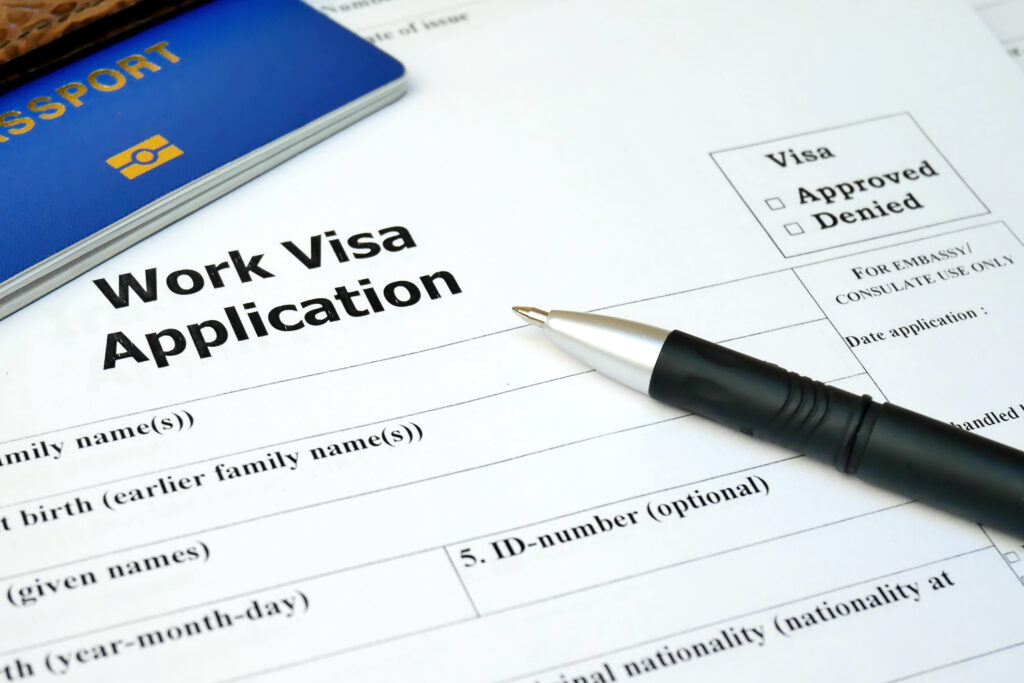
The H-1B visa is one of the most popular work visas for skilled professionals. It is designed to attract individuals with specialized knowledge or advanced education in specific in-demand fields like technology, engineering, finance, and healthcare. To use these work visas to enter the country, you must be sponsored by an employer. Additionally, your employer must be able to show that they cannot find enough qualified American workers for the position.
There are also H-2A and H-2B work visas. These visas are used to attract temporary or seasonal help. While they can be used in non-agricultural settings, they are very popular for farms and other agricultural businesses that rely on a high volume of seasonal help. H-3 visas can be used to seek additional training (outside of medical school) for people who will then return to their home countries to use the training.
The O-1 visa is for people who have special abilities or achievements in their respective fields. This type of work visa is often used by performers and professionals in arts, business, or athletics who have national or international recognition for their talents. In order to receive this work visa, applicants must provide evidence of their extraordinary abilities, like relevant awards.
I visas allow those working in the foreign press to come to the United States for work purposes. Film crew members, reporters, and other press workers who are representing a valid foreign media entity are eligible to use these work visas. Unlike some other types of work visas, these are often indefinite so long as the person using the visa stays employed with the same media organization.
L work visas are designed to allow temporary transfers within businesses so that employees can move from one country to another. L visas are often used for those with special expertise or for managers or company executives. These visas can last for either one year or three years, depending on which you apply for.
If you or a loved one are interested in exploring work visas, choose an experienced firm like the Law Office of Elizabeth Anu Lawrence to give you the help you need. Please give us a call at 443.352.3201. Skype and telephone consultation are both available to clients.
| Immigration/Visa Benefit | Current Fee | New Fee (April 2024) | Fee Increase |
| Form I-129 (Petition for a Nonimmigrant Worker): H-1 Classification | $460 | $780 | $320 |
| Form I-129 (Petition for a Nonimmigrant Worker): H-2A Classification | $460 | $1,090 | $630 |
| Form I-129 (Petition for a Nonimmigrant Worker): H-2B Classification | $460 | $1,080 | $620 |
| Form I-129 (Petition for a Nonimmigrant Worker): L Classification | $460 | $1,385 | $925 |
| Form I-129 (Petition for a Nonimmigrant Worker): O Classification | $460 | $1,055 | $595 |
| Form I-140 (Immigrant Petition for Alien Worker) | $700 | $715 | $15 |
| Form I-907 (Request for Premium Processing) | $2,500 | $2,805 | $305 |
| Immigration Benefit | Current Fee | New Fee (April 2024) | Fee Increase |
| K-1 Fiancé Visa | $535 | $675 | $140 |
| CR-1 Spousal Visa | $535 | $675 | $140 |
| Adjustment of Status (Form I-485) without Work or Travel Permits | $1,225 | $1,440 | $215 |
| Adjustment of Status Form I-765 Work Permit (Optional) | $0 when filed with an Adjustment of Status | $260 when filed with an Adjustment of Status | $260 |
| Adjustment of Status Form I-131 Travel Permit (Optional) | $0 when filed with an Adjustment of Status | $630 | $630 |
| Adjustment of Status with Form I-130 + Work and Travel Permits | $1,760 | $3,005 | $1,245 |
Personal injury cases can be complex, especially when it comes to navigating insurance claims and working with insurance companies. Your insurance company can help you to cover the cost of treatments and fight for you. However, they can also work against you and fight to pay out as little as possible. What should you understand about the role of insurance companies in your personal injury case?

In Maryland, personal injury cases can be filed whenever someone is injured due to the negligence or wrongful actions of someone else. Personal injury law encompasses a wide range of accidents, including car accidents, slip and fall accidents, medical malpractice injuries, and more. When you are pursuing compensation for the harm that you endured as a result of the accident, you will typically file a claim with the other party’s insurance company.
Insurance companies play a big role in personal injury cases by providing coverage and potentially compensating the injured party for their losses. However, insurance companies are primarily profit-driven entities. As such, their first objective is to minimize payouts and protect their financial interests, not to help you out. Insurance companies and adjusters are constantly looking for ways to decrease your payout or find fault in your actions. Working with an attorney is one way to lower your risk.
Yes! Insurance companies will investigate any claims that you make. When you file a personal injury claim, the insurance company will conduct a separate investigation to assess liability and determine the extent of damages. This investigation can involve things like reviewing medical records, police reports, witness statements, and other relevant evidence. Insurance adjusters are tasked with evaluating the claim and negotiating settlements on behalf of the insurer.
In many cases, insurance companies will try to settle claims out of court to avoid lengthy and expensive litigation. They might offer a settlement amount to the injured party before proceedings begin. However, it’s crucial to carefully consider any settlement offers and consult with an attorney to ensure you are receiving fair compensation. Insurance companies will often lowball victims initially to minimize their financial losses.
If you or a loved one are concerned about finding the right car accident lawyer for your case, choose an experienced firm like the Law Office of Elizabeth Anu Lawrence to give you the help you need. Please give us a call at 443.352.3201. Skype and telephone consultation are both available to client

Despite the two terms referring to different things, many people use DUI and DWI interchangeably. In the state of Maryland, the two offenses have a lot in common. Both DWI and DUI are very serious charges. If convicted, it could have a permanent impact on your life, both personally and professionally. Working with the right lawyer from the beginning is essential.
DWI stands for Driving While Impaired. In the state of Maryland, DWI is considered to be less serious than a DUI. You can be charged with a DWI when you have a blood alcohol concentration (BAC) of 0.07-0.08%. This amount is below the legal limit, but you can be charged with a DWI for showing other signs of impairment, like driving poorly or failing a field sobriety test. Because you are not over the legal limit but are still impaired, this charge exists.
While a DWI is less serious than a DUI, you will still have serious consequences for your conviction. Depending on the outcome of your case, you could face up to 60 days in jail and a $500 fine if this is your first time being charged with a DWI. If you have future offenses, that will be weighed when determining your punishment. You will also receive an eight-point penalty on your driver’s license, which could lead to a license suspension.
DUI stands for Driving Under the Influence, and it is more serious than a DWI. You can be charged with a DUI when you have a blood alcohol percentage of .08% or above and or operating a vehicle. .08 is Maryland’s legal limit for alcohol intoxication, and going over that limit can completely change your life due to the consequences that will be levied against you.
If you re found guilty of a DWI and convicted, you can face up to a year in jail and fines of up to $1,000. The penalties are even more severe for future convictions, as those who receive a second DUI may be charged up to $2,000 and need to spend up to two years in jail. Because the Motor Vehicle Administration will also charge you with a 12-point penalty, you will likely lose your driving privileges for a set period of time. This can present many challenges for the average person, as you often need a vehicle and license to work.
If you are worried about the outcome of your DUI or DWI case, choose an experienced firm Best Lawyer in Baltimore County like the Law Office of Elizabeth Anu Lawrence to give you the help you need. Please give us a call at 443.352.3201. Skype and telephone consultation are both available to clients.
Beginning March 4, 2013, the United States Citizenship and Immigration Services (USCIS) instituted a new application procedure, the 1-601A Provisional Waiver, for certain individuals who would be subject to the three- or ten-year bars for having accrued unlawful presence when they depart the U.S. These applicants are able to file a provisional waiver of inadmissibility prior to leaving the U.S. for their consular interviews. The option to apply for the waiver before traveling abroad for a consular interview provides tremendous benefits to applicants. This process allows applicants with legal avenues to immigration status to avoid the risk of long-term family separation and uncertainty.
The benefit of USCIS Immigration Law adjudicating the waiver in advance through this process, applicants avoid having to wait for adjudication of a waiver while abroad, and it allows them to avoid the risk of getting stuck outside the US if the waiver is denied. The provisional waiver is only a change in the administrative process, not a change in the law. This practice advisory will walk you through steps to determine if your client is eligible for the I-601A provisional waiver.
UPDATE:
In August 2016, USCIS updated the I-601A Provisional Waiver process. Now, anyone who is statutorily eligible for a waiver of unlawful presence can use the I-601A process to waive the unlawful presence grounds of inadmissibility found at INA §212(a)(9)(B). The biggest change to the I-601A Provisional Waiver is the expansion to include applications from beneficiaries of all visa categories (not just those with U.S. citizen immediate relatives) who can show hardship 10 an LPR spouse or parent, in addition to U.S. citizen spouse or parent qualifying relatives. The applicant is still required to have an approved immigrant visa petition.
If you have questions regarding a I-601A waiver, please contact the Law Office of Elizabeth Anu Lawrence, LLC. on 443.352.3201.

In the United States, the process of applying for a green card after you are already in the country is known as an adjustment of status or AOS. This process allows you to remain in the United States during the application process, even if your visa is about to expire, until the green card is issued. What should you know about the process of applying for an AOS?
In order to apply for an adjustment of status, you need to be eligible for a green card. Depending on your situation, you may qualify for:
The United States Citizenship and Immigration Services uses a 90-day rule to help ensure that those seeking an adjustment of status did not misrepresent their intentions upon their initial arrival. Many different types of visas, including the F-1 and B2 visas, are not able to be used by people who plan on eventually immigrating permanently. However, some types of visas like H1-B can be used with the intent of permanent immigration. When applying for your adjustment of status, make sure that you have the right visa. If you ask for an adjustment within 90 days of your arrival, it is incredibly challenging to overcome the denial from USCIS.
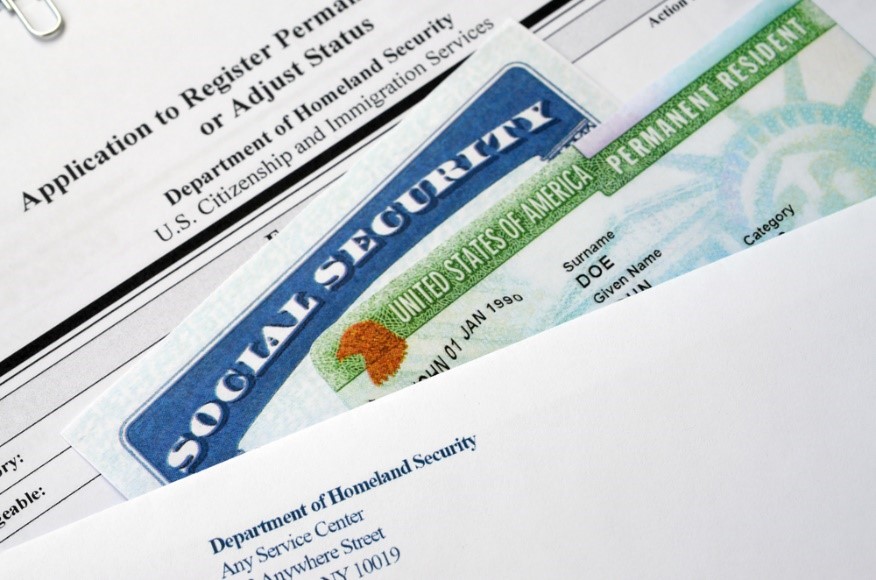
If you or a loved one are concerned about a citizenship application, choose an experienced Maryland Trusted law Firm like the Law Office of Elizabeth Anu Lawrence to give you the help you need. Please give us a call at 443.352.3201. Skype and telephone consultation are both available to clients.
Read more: How to Dissolve an LLC in Maryland
Abogada | Abogado | Immigration Law | Pikesville Maryland | Randallstown Maryland | Reisterstown Maryland | Abogado Catonsville
Have a WordPress.com account? Log in now.

